
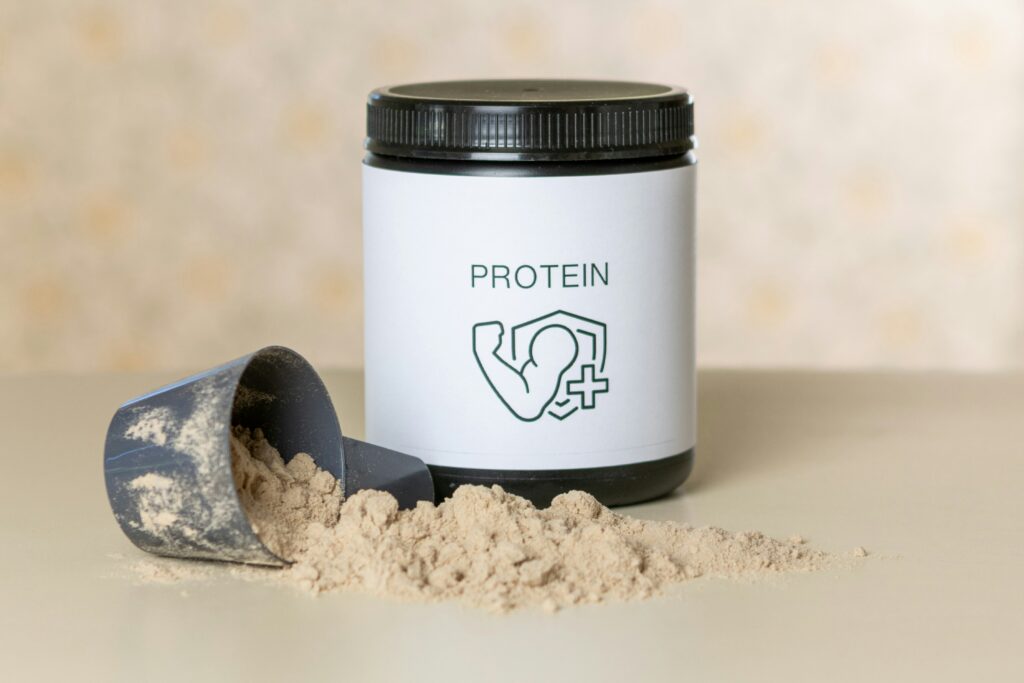
Walk through any grocery store today and it’s hard to miss the growing fascination with protein. No longer reserved for bodybuilders, protein powders have been added to cereals and breads, smoothies and coffee, oatmeal and baked goods, as well as packaged snacks. Even some ice cream is now “high-protein.”
There are good reasons for the interest. Protein plays an important role in maintaining muscle, supporting immune function, producing enzymes and hormones, and helping us feel satisfied after eating. Maintaining adequate protein becomes particularly important as we get older because we naturally become more susceptible to losing muscle mass. Digesting and absorbing protein improperly can lead to gut symptoms and fatigue.
Protein powders can make getting enough protein easier. But are they something everyone needs? And are all protein powders created equal?
What Is Protein Powder?
Protein powders are concentrated sources of protein extracted from animal or plant foods. During processing, much of the water, carbohydrates, and fats naturally present in the original food are removed, which leaves behind a product that contains a relatively high concentration of protein in the form of amino acids.
You may see on some packaging the term “a complete protein.” This refers to a source that contains all nine essential amino acids in adequate amounts – histidine, isoleucine, leucine, lysine, methionine, phenylalanine, threonine, tryptophan, and valine. These are “essential” because the body needs them to function, but the human body cannot make them on its own. Instead, these nine amino acids must come from food. Some protein powders can supply all nine essential amino acids, while others may be lacking in one or more, which is one reason the source of protein matters.
Manufacturers may then add flavors, sweeteners, gums, vitamins, minerals, digestive enzymes, or other ingredients.
One serving of some powders can provide 20 to 30 grams of protein without needing to cook a chicken breast, scramble an egg, or sit down to a full meal. This convenience has helped turn protein powder into a multibillion-dollar industry.
Animal-Based Protein Powders
- Whey protein comes from milk and is a byproduct of cheese production. It contains all nine essential amino acids and is particularly rich in leucine, an amino acid involved in stimulating muscle protein synthesis. Whey is one of the most extensively studied supplemental proteins and is thought to be more easily absorbed than other types of protein powders. Whey protein is commonly sold as either whey concentrate or whey isolate. Isolate is more refined as it undergoes additional processing to remove more fat and lactose and, therefore, contains a higher percentage of protein.
- Casein protein powder also comes from milk. Unlike whey, which is digested relatively quickly, casein forms a gel in the stomach and digests more slowly. Like whey, casein provides all nine essential amino acids.
However, for those who are dairy-sensitive, both whey and casein protein powders can cause digestive issues and inflammatory symptoms, such as joint pain or fatigue.
- Egg white protein is another complete animal protein. It may be an option for someone who wants an animal protein but needs to avoid dairy.
- Beef or bovine protein is produced by extracting and concentrating protein from beef. The type of beef used can vary between products, so reading labels is very important as all “beef protein” powders are not nutritionally equivalent.
- Collagen peptides have become extremely popular and are usually derived from bovine or marine sources. You may also see bone broth protein powders, which are usually made from the bones and connective tissues of animals, and consist primarily of collagen-derived proteins. Collagen can contribute protein to the diet, but there is an important distinction: Collagen is not a complete protein because the essential amino acid profile is limited. We’ll cover collagen and collagen peptides more in a future blog.
Plant-Based Protein Powders
There’s a wide variety of plant-based powders on the market. Overall, research studies show that animal proteins may have some advantage over plant proteins for building and maintaining muscle due to different amino acid profiles and digestibility. But for vegans, vegetarians or those with have difficulty digesting animal sources, plant proteins are a very strong option. Some of the more common ones are made from:
- Soy, which provides all nine essential amino acids and is one of the higher-quality plant proteins. It’s the best option for leucine, an essential amino acid that helps repair and build muscle
- Pea, is usually made from yellow peas and commonly found either alone or in plant-protein blends. Pea protein is technically a complete protein, but it is significantly low in sulfur-containing amino acids methionine and cysteine. It’s considered to be easy to digest and does not contain gluten, dairy, or soy
- Brown Rice, has a surprisingly high amount of protein and is also hypoallergenic. Brown rice powder is not a complete protein and, specifically, is low in lysine, so it’s a good complement with other plant proteins
- Hemp is a complete protein and some types may be high in fiber, which may be a benefit but might also cause digestive distress. It naturally contains omega-3 and omega-6 fatty acids, but sometimes these are removed during processing
- Seed proteins, including pumpkin, chia, and sunflower seed, are the newest category of protein powders and are becoming more widely available. As these options have been less studied, we know less about their long-term use and effects on muscle, but we hear positive things from some of our clients
There are also plant-based blends that contain two or more plant proteins. Combining proteins, such as pea and rice, can provide a more balanced essential amino acid profile than relying on certain individual plant proteins alone.
The Advantages of Protein Powder
We generally prefer obtaining nutrients from food whenever possible, but protein powder can be a useful tool. It is portable and convenient. A small container or individual packet is much easier to travel with than refrigerated meat, eggs or yogurt. It can also help on unusually busy days when preparing a protein-rich meal isn’t realistic.
Protein supplementation may be particularly useful for some older adults. Appetite often decreases with age, and consuming a large serving of meat or another protein-rich food may become difficult to eat as well as digest. A randomized control trial considered the effects of soy protein on elderly adults with an average age of 85, adding 30g of soy protein, divided between 3 meals, for 12 weeks. The results showed “significant” improvements in lean muscle and skeletal muscle compared with the control group.
For someone who regularly consumes smoothies that consist primarily of carbohydrates for breakfast, adding a scoop of protein powder can make it easier to increase the day’s protein goal.
What Protein Powder Doesn’t Give You
A scoop of protein powder and a serving of salmon may both provide a substantial amount of protein, but nutritionally they are not the same food. Whole protein foods provide several other nutrients. Depending upon the food, these can include iron, zinc, B vitamins, calcium, omega-3 fats, and other beneficial compounds. Plant foods such as beans, lentils, nuts, and seeds can provide protein along with fiber, healthy fats, vitamins, minerals and phytonutrients.
The more isolated the protein, the more manufacturers remove other nutrients. That doesn’t make protein powder “bad,” but we shouldn’t consider it a nutritionally complete food. It should be looked at as a complementary supplement to help us achieve our health goals.
There are other potential downsides. Some people experience bloating, gas, loose stools, constipation, or other digestive symptoms from protein powders. Sometimes the protein itself is the problem. Other times someone may be sensitive to lactose, sugar alcohols, gums, fibers, sweeteners, or another added ingredient.
And then there is another concern that received considerable attention recently: contaminants.
What Should You Look for in a Protein Powder?
Protein powders are considered dietary supplements in the United States. Unlike medications, the FDA does not test and approve each supplement before it reaches store shelves. Manufacturers are responsible for ensuring their products are safe and properly labeled, while the FDA generally has authority to take action against adulterated or misbranded products after they reach the market.
Look for reputable third-party testing
One certification to look for is NSF Certified for Sport®. Despite the name, it’s not solely for athletes. NSF evaluates certified supplements for label accuracy, contaminants, and prohibited substances. It offers a Certified for Sport database so consumers can search for certified products, including by lot number.
Third-party certification provides another layer of quality control.
Pay attention to heavy-metal testing
This became especially important following two large reports released in 2025.
The Clean Label Project tested 165 protein powder products from 70 brands and reported that 47 percent exceeded at least one federal or state regulatory threshold for contaminants. Specifically, plant powders had 5 times as much cadmium as whey products.
Then, in October 2025, Consumer Reports independently tested 23 popular protein powders and ready-to-drink shakes. More than two-thirds contained more lead per serving than their experts’ daily level of concern. In this report, plant-based products averaged considerably more lead than dairy-based products.
These results don’t imply that every plant protein powder is contaminated or every whey product is clean. But they do tell us that the brand and product you choose matters greatly.
When possible, look for companies that make current heavy-metal testing available rather than simply using words such as “clean,” “natural.” or “organic” on the package. Organic certification by itself is not evidence that a powder is low in heavy metals.
Read the entire ingredient list
Yes, look for the grams of protein, but then look for added sugars, artificial or non-nutritive sweeteners, sugar alcohols, gums, artificial flavors, and other ingredients you may not want or tolerate.
I prefer an unflavored powder with a simple, short ingredient list. You can always add berries, vanilla, cinnamon, cacao, or other ingredients depending on how and when you’re consuming it.
If You Want to Try Protein Powder
First, decide if you really need it. If you consistently eat adequate protein from eggs, poultry, meat, seafood, dairy, legumes, nuts, seeds, and other foods, adding another scoop of protein may not provide any additional benefit, especially when comparing the cost.
If a protein powder may help to fill a gap in your protein consumption, consider it a tool and not a replacement for food. We’ve seen good results from the following brands: Tera’s Whey, Ancient Nutrition Bone Broth, Vital Proteins, Nutiva Hemp, and Unleash’d Pumpkin Seed.
If you tend to be sensitive to starting new supplements, begin with a small amount, about ¼ the suggested serving, and see how your body responds for a few days. Pay attention to bloating, gas, changes in bowel movements, abdominal discomfort, or other symptoms. If you tolerate it well, slowly increase the amount to the full serving size.
Also consider how you are consuming it. A scoop of protein powder mixed into a smoothie containing berries, vegetables, seeds, and healthy fat is very different nutritionally from protein powder mixed with water or in a grain-based processed cereal.
Protein Powder Is a Tool, Not the Foundation
Protein is important, especially as we age, and protein powder can be a convenient way to increase intake. But more isn’t automatically better, and a protein powder isn’t nutritionally equivalent to the whole food it came from.
If you decide to use one, choose carefully. Look for independent testing, read the complete ingredient list, and pay attention to how you feel. Then let whole, nutrient-dense foods provide the foundation of your diet.
If you’re consuming adequate protein and still feel fatigued, aren’t seeing the results you expect, or experience digestive problems, simply adding protein powder may not address what’s really going on.
Schedule a complimentary phone consultation and let’s talk about what may be getting in the way.
Article Sources:
Getting Your Leucine: What It Does and Foods to Eat
Pea Protein: Non-Dairy Muscle Builder (that Also Boosts Heart Health)
The Current Situation of Pea Protein and Its Application in the Food Industry
NSF Certified for Sport – Official Website and Product Search
Nearly Half of Top-Selling Protein Powders Exceed Safety Thresholds for Heavy Metal Contamination